

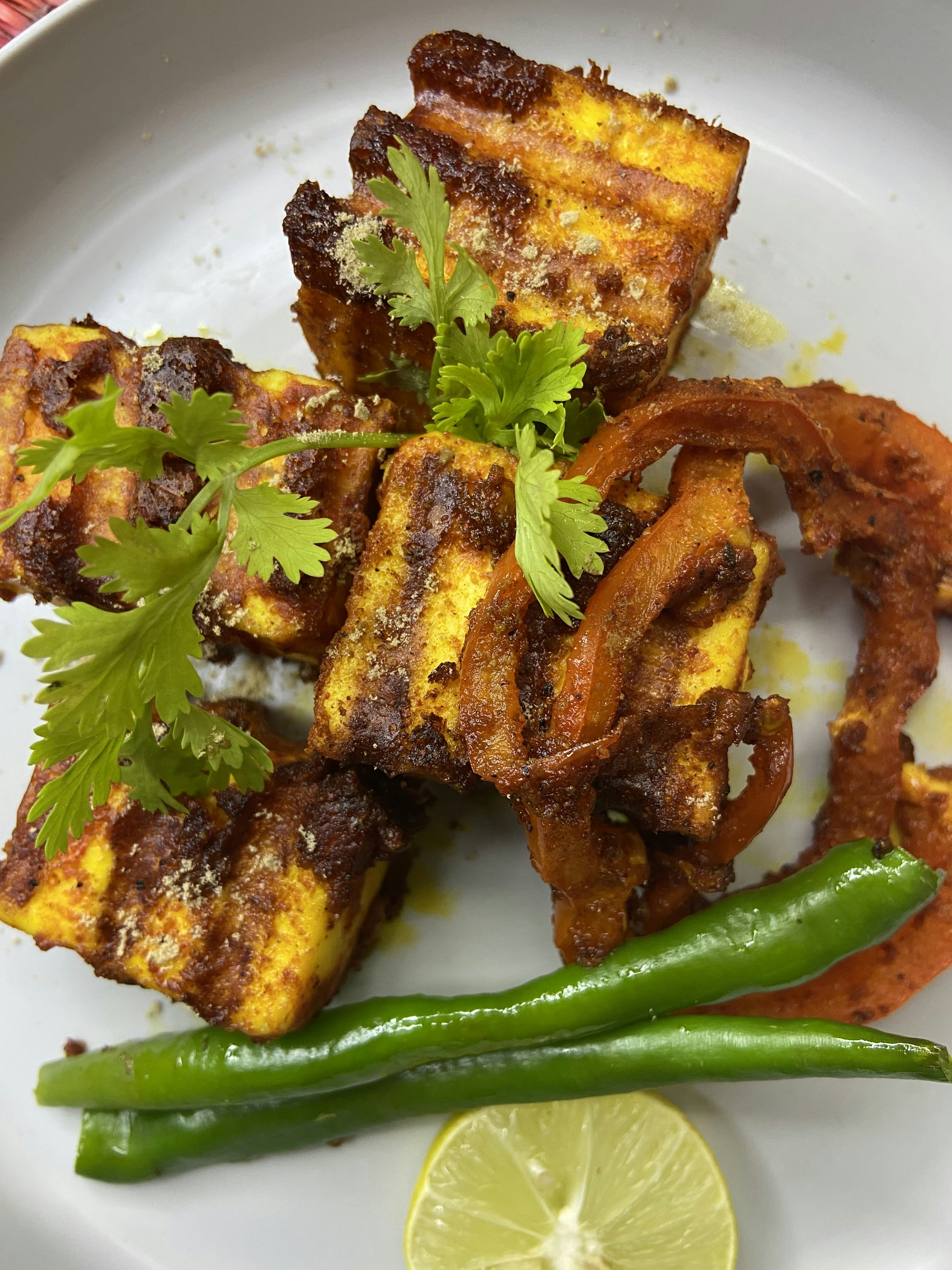
Introduction to Paneer Chilli [hostinger-affiliate-table id=”644″]
Paneer chilli is a widely acclaimed Indo-Chinese dish that captivates the taste buds of many with its spicy and tangy flavor profile. This dish is primarily crafted using paneer, which is a form of Indian cottage cheese, alongside colorful bell peppers and an array of aromatic spices. The unique combination of these ingredients not only contributes to its delightful flavor but also enriches the dish’s visual appeal, making it an attractive option for various occasions.
The preparation of paneer chilli highlights the versatility of paneer, which is a beloved ingredient in Indian cuisine, often favored for its rich texture and ability to absorb flavors. The addition of bell peppers, known for their crunchiness and sweetness, balances beautifully with the spiciness of the dish, creating a harmonious culinary experience. Paneer chilli is generally seasoned with a blend of spices such as chili powder, soy sauce, and coriander, which adds depth and complexity to the overall flavor.
This dish is not just limited to serving as an appetizer; it has gained recognition as a perfect side dish for a diverse range of meals. Its origin can be traced back to the fusion of Indian and Chinese culinary traditions, illustrating how cultural exchanges have given rise to innovative recipes. Over the years, paneer chilli has become a staple among vegetarians, ensuring that those who prefer plant-based options can also indulge in the flavorsome delight of this spicy dish.
Ingredients Needed for Paneer Chilli
To prepare a delectable Paneer Chilli, you will need a variety of ingredients that come together to create a flavorful dish. The primary component is, of course, paneer. For this recipe, approximately 250 grams of fresh paneer should suffice. Paneer can often be found in local supermarkets or specialty grocery stores, and it can also be homemade if you prefer.
Next, you’ll need fresh vegetables to complement the paneer. A selection of bell peppers is recommended; you may choose a mix of colors—red, yellow, and green bell peppers—amounting to about 150 grams in total. Additionally, you’ll want to include a medium-sized onion, which adds sweetness and depth to the dish. Some cooks prefer to enhance the flavor profile with sliced scallions or spring onions, which can be added atop the finished dish for a garnish.
When it comes to sauces, you’ll need a combination that balances heat and flavor. A tablespoon of soy sauce adds umami richness, while two tablespoons of chili sauce (adjust according to your heat preference) bring the desired spice level to the dish. For an extra kick, consider incorporating a pinch of red chili flakes or minced green chilies, tailored to your taste.
There are also optional ingredients that can elevate the dish. If you desire a tangy twist, a splash of vinegar can be added. For a richer texture, consider including a tablespoon of cornstarch dissolved in water to thicken the sauce. Keep dietary restrictions in mind—those who are lactose-intolerant might opt for tofu as a substitute for paneer, which can deliver similar texture and absorb the flavors well.
Step-by-Step Recipe for Cooking Paneer Chilli
Paneer Chilli is a delightful dish that combines the sweetness of paneer with the zest of spices, resulting in a culinary treat that is both flavorful and satisfying. To begin crafting this splendid dish, gather all necessary ingredients: fresh paneer, bell peppers, onions, green chilies, soy sauce, chili sauce, cornflour, garlic, and ginger.
First, the paneer must be cut into bite-sized cubes, ensuring that each piece is uniform for even cooking. Next, chop the bell peppers and onions into similar sizes, and finely mince the garlic and ginger to release their aromatic flavors. This preparation sets the foundation for a well-balanced dish.
Once your ingredients are prepped, it is time to fry the paneer. Heat a few tablespoons of oil in a non-stick pan over medium heat. Add the paneer cubes and sauté them until they are golden brown on all sides. This frying technique enriches the paneer’s texture and prevents it from becoming too soft. After frying, remove the paneer and set it aside on a paper towel to absorb excess oil.
In the same pan, add a little more oil if needed, and toss in the minced garlic and ginger. Allow them to sauté for a few seconds until they are fragrant, ensuring that they do not burn. Follow by adding the chopped onions and green chilies, sautéing until the onions are translucent. Incorporate the bell peppers and continue to cook for an additional 2-3 minutes.
Next, sprinkle in some cornflour to bind the mixture. This step enhances the overall texture of the dish. Then, stir in the fried paneer, and add soy sauce along with chili sauce for a spicy kick. Ensure all ingredients are well-coated and simmer for a few minutes to allow the flavors to meld together.
For the finishing touches, adjust seasoning as per your taste preferences, and consider garnishing with fresh coriander leaves. Serving the paneer chilli hot, preferably with fried rice or noodles, elevates the entire dining experience. The final dish should be a colorful medley bursting with flavors, and with these meticulous steps, you’ll create a paneer chilli that is both impressive and delicious.
Serving Suggestions and Variations of Paneer Chilli
Paneer chilli is a versatile dish that can be enjoyed in various forms and complemented with different accompaniments. When serving this delectable dish, presentation plays a crucial role. Serving paneer chilli in a stylish bowl garnished with fresh coriander leaves not only enhances its visual appeal but also uplifts the dining experience. A drizzle of lime juice on top can add a zesty touch that contrasts beautifully with the spicy notes of the paneer.
Pairing paneer chilli with different sides can elevate the meal. Naan, parathas, or steamed rice serve as excellent companions, allowing diners to savor the flavors of the paneer more fully. Additionally, a cooling side like raita or cucumber salad can provide a refreshing balance to the spiciness of the dish, making it more palatable for those who may be sensitive to heat.
As for variations, paneer chilli can be transformed to cater to diverse tastes and dietary preferences. For those who prefer a lighter option, a baked version can be prepared by marinating the paneer and then baking it until it achieves a delightful crispiness without the use of excess oil. Alternatively, a dry paneer chilli, which emphasizes a dry sauté rather than a gravy-like texture, can be served as an appetizer or snack. For a unique twist, paneer chilli fry can be made, where the paneer is coated in batter and deep-fried until golden brown, offering a crunchy texture that contrasts with the traditional sautéed method.
By adapting the core recipe of paneer chilli, one can cater to different palates or dietary preferences, whether it be by reducing the spice levels for children or offering a gluten-free batter for the frying method. The flexibility in preparation and presentation makes paneer chilli not just a dish, but a canvas for culinary creativity.


1 thought on “How to Make Paneer Chilli: A Spicy Delight”