

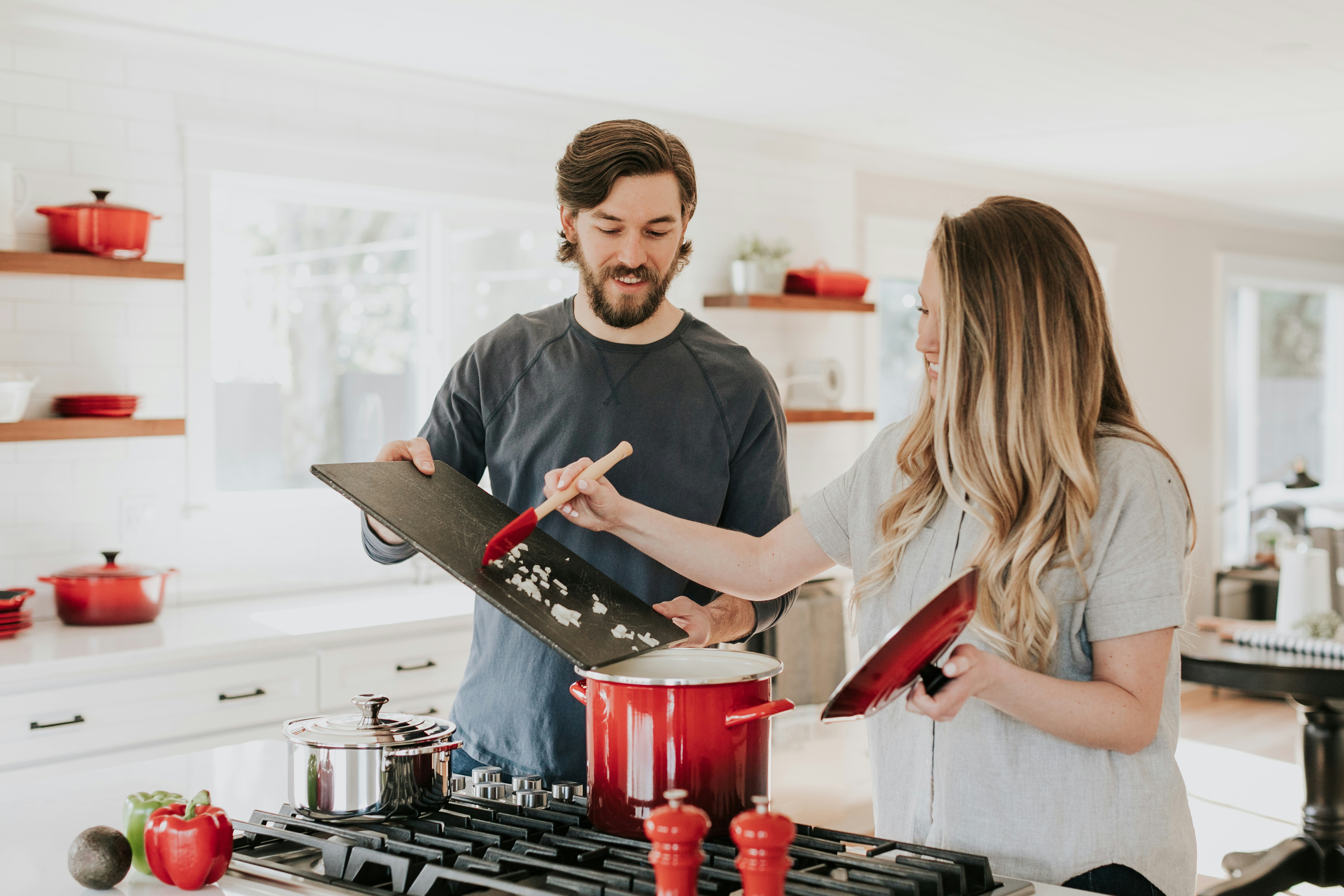
The Home-Cooking Husband Can Cook: Building Confidence, Skills, and Shared Joy in the Kitchen
Learning to cook at home offers practical benefits that extend beyond putting dinner on the table. A husband who prepares meals can help provide nourishing food tailored to household preferences, dietary needs, and daily schedules. Cooking also gives the person preparing it greater control over ingredients, seasoning, cooking methods, and portion sizes. Fresh vegetables, suitable amounts of salt, or smaller servings can be chosen deliberately, rather than accepted as fixed features of a takeaway order. This flexibility can make meals more satisfying and help families establish routines that support their wellbeing without requiring elaborate recipes or special equipment.
Home cooking can also reduce the cost of eating, particularly when frequent takeout is replaced with meals made from affordable staples. Planning a menu, using ingredients across several dishes, and saving leftovers can help limit waste as well as spending. The savings need not come at the expense of enjoyment: choosing a recipe, learning a technique, and seeing raw ingredients become a complete meal can be rewarding in its own right. Making something from scratch offers a tangible sense of accomplishment, whether the result is a simple breakfast, a weekday soup, or a dish shared with family and friends.
Cooking is a learnable life skill, not a talent reserved for one gender or for people who already feel confident in the kitchen. Basic abilities—such as reading a recipe, handling a knife safely, seasoning thoughtfully, and judging when food is ready—develop through practice. Starting with manageable dishes allows a beginner to build competence gradually, while mistakes become useful feedback rather than a reason to stop. Preparing food can also be a caring contribution to household life: it shares the work of daily routines, responds to the needs of other people, and creates occasions to enjoy time together. Over time, an everyday responsibility can become a practical source of confidence and shared pleasure.
There is no single standard for becoming a capable home cook, and beginners do not need to master complicated techniques before contributing meaningfully. A useful first step is to decide what success would look like in everyday life. It might mean preparing one dependable meal each week, making breakfast before work, assembling a satisfying lunch, or taking charge of dinner on a particular day. A clear, modest goal gives practice a purpose without turning cooking into a test. It also makes progress visible: when the meal becomes easier to plan and prepare, confidence can grow alongside practical skills.
The best goal is one that fits the cook’s actual circumstances. Consider the time available on a typical weeknight, current confidence with basic tasks, household tastes, and any dietary needs. Equipment matters too: a recipe that depends on tools you do not own can create unnecessary friction. Choose something achievable with the pans, knives, and ingredients already on hand, or identify one simple item to obtain before starting. If the household enjoys familiar flavors, begin there rather than selecting a dish solely because it looks impressive in a cookbook. A realistic plan respects both the cook’s energy and everyone’s preferences at home.
Repeatability is more valuable than novelty at the beginning. Making the same straightforward dish several times helps build timing, seasoning, and preparation habits without requiring constant problem-solving. Keep the first recipe simple: a pasta meal, a sheet-pan dinner, eggs with toast, or a sandwich can provide practice. Read the instructions in advance, gather ingredients, and allow extra time for the first attempt. Small adjustments are welcome, but there is no need to redesign the meal immediately. A repeated success creates evidence that cooking is manageable, and that confidence encourages the next step. A simple meal still counts as progress.
A beginner-friendly kitchen does not need a cupboard full of specialist equipment. A few dependable tools can handle most everyday meals: a sharp chef’s knife for chopping, a stable cutting board, a saucepan for grains and soups, and a frying pan for eggs, vegetables, or quick dinners. A baking sheet makes roasting straightforward, while measuring cups help when following recipes that call for precise amounts. Add a sturdy spatula for turning and stirring, plus a reliable food thermometer to check that meat and other foods reach safe temperatures. Choose tools that feel comfortable and are easy to clean; practical quality matters more than having many options.
Before cooking, make the workspace ready. Clear the counter, gather the equipment, and check that the essential ingredients are available. Reading the recipe from beginning to end helps identify steps that take time, such as preheating the oven, chopping vegetables, or bringing an ingredient to room temperature. Measure or prepare what is needed before turning on the heat, especially when several ingredients must be added in quick succession. Keep a clean towel within reach for drying hands and handling appropriate items, and place a small rubbish bowl nearby for peels, wrappers, and scraps. These simple habits reduce interruptions and make the process feel more manageable.
Basic safety practices are part of a practical kitchen setup. Use a sharp knife with a secure grip, keep fingertips curled away from the blade, and cut on a stable board. Turn pan handles inward where possible, use oven mitts for hot cookware, and avoid leaving active cooking unattended. Wash hands before preparing food and after handling raw meat, poultry, seafood, or eggs. Keep raw ingredients separate from ready-to-eat foods, and clean boards, utensils, and surfaces between tasks. Refrigerate perishable ingredients promptly, and use a food thermometer rather than appearance alone to judge doneness. With these essentials and routines in place, a home cook can focus on learning useful skills instead of managing clutter.
Everyday cooking becomes easier when a handful of basic techniques feel familiar. Start with chopping ingredients into pieces of similar size. Even pieces cook at roughly the same rate, so vegetables are less likely to have a mix of raw centers and overcooked edges. Use a stable cutting board, keep your fingertips curled away from the blade, and work at a comfortable pace. There is no need to chop quickly; consistency and safety matter more than speed.
Sautéing means cooking small pieces of food in a little oil or butter over moderate to fairly high heat, usually in a pan. Let the pan warm, add the ingredients without crowding them, and stir or turn them as needed. Moderate heat is especially useful for garlic, which can burn quickly and become bitter. Leaving space between vegetables lets moisture escape and encourages browning; an overcrowded pan traps steam and can leave food soft. Boiling pasta or grains is simpler: use plenty of water, bring it to a steady boil, and follow timing on the package, tasting near the end. Drain pasta, and let cooked grains rest briefly before fluffing.
Roasting cooks food in an oven’s dry heat. Cut vegetables into similar-sized pieces, coat them lightly with oil, and spread them across a pan so they brown rather than steam. Proteins such as chicken or fish also roast well, but thickness affects cooking time, so check doneness carefully. Simmering is gentler than boiling: keep soups and sauces bubbling lightly, not vigorously, to blend flavors without breaking ingredients apart. Eggs offer useful practice in heat control. Cook scrambled eggs over low to medium heat, stirring gently, or fry them in a lightly oiled pan until the whites set. Learn one technique at a time and notice how heat, timing, and ingredient size change the result. Small observations build confidence and make recipes easier to adapt.
Choosing an appropriate first recipe can make cooking feel manageable rather than intimidating. Look for meals with a short ingredient list, foods you already recognize, and instructions that explain each step clearly. Recipes with flexible timing are especially useful: a few extra minutes of simmering or chopping should not ruin dinner. It also helps to choose dishes that require only basic equipment, such as a saucepan, frying pan, baking sheet, and knife, rather than specialized appliances or techniques.
Familiar dishes offer a practical starting point. Pasta with a simple tomato, butter, or cheese sauce can teach basic skills such as boiling, draining, and seasoning. Sheet-pan chicken and vegetables involves arranging ingredients on one tray and letting the oven do much of the work. Fried rice is a useful way to turn leftover rice and vegetables into a meal, while omelets provide practice with heat control. Tacos allow components to be prepared separately, and a hearty soup can introduce chopping and simmering without requiring precise presentation.
For the first few attempts, follow the recipe’s measurements, order of steps, and cooking times closely. Read the full instructions before starting, gather ingredients, and prepare anything that needs chopping in advance. This reduces the chance of overlooking an important step while food is already cooking. Use the recipe’s suggested signs of doneness as well as the clock, since stove temperatures, ovens, and ingredient sizes can vary.
Once the basic method feels familiar, confidence makes it easier to adjust seasonings or substitute ingredients. A little extra garlic, a different vegetable, or an alternative herb can personalize a dish, but changing several elements at once may make it difficult to understand the result. Keep a simple backup meal available for evenings when a new recipe takes longer than expected or does not turn out as planned. Eggs, canned beans, frozen vegetables, or a reliable pasta dish can provide an easy alternative. A backup is not a failure; it makes experimentation less stressful and encourages another attempt.
A little planning can make home cooking feel calmer without turning the kitchen into a project-management exercise. Before the week begins, choose three or four meals you would be happy to cook, rather than assigning every dinner a fixed recipe. Leave room for leftovers, a spontaneous meal, or a change in schedule. This small framework reduces the familiar late-afternoon question of what to make, while keeping cooking flexible. If you are building confidence, select a mix of familiar dishes and one new recipe; repeating dependable meals is useful practice, not a lack of creativity.
Before shopping, check the refrigerator, freezer, and pantry so you know what needs using and avoid buying duplicates. Build your list around ingredients that can serve more than one meal: onions can start a soup or pasta sauce, while beans and canned tomatoes work in stews, tacos, or a quick chili. Rice and pasta make simple bases; eggs can become breakfast, lunch, or an easy dinner; frozen vegetables add a convenient option when fresh produce runs low. A short list of reliable staples makes it easier to improvise and can reduce food waste.
Plan with the people eating in mind. Consider preferences, allergies, dietary needs, and the number of portions required, then choose recipes that suit the time and energy available on a typical evening. Check ingredient freshness and prioritize foods that will spoil soon, saving longer-lasting items for later in the week. You do not need to buy every ingredient for every recipe if a practical substitute is already at home. Treat the plan as a helpful guide rather than a rulebook: swap meals, use leftovers, or simplify a dish when circumstances change. The aim is to make cooking easier and more enjoyable, not to create another chore.
Cooking can become a meaningful way to support a household when people communicate openly about what they need and expect. Before planning a meal, ask about allergies, dietary restrictions, preferred flavors, and portion sizes instead of relying on assumptions. Someone may avoid an ingredient for health, religious, ethical, or personal reasons, while another may simply prefer milder seasoning or a smaller serving. Checking in helps the cook prepare food that is both safe and enjoyable, and it gives everyone a chance to feel considered. These conversations need not make meal planning complicated; a brief question or shared list can prevent discomfort and reduce wasted food.
Sharing the work can make cooking more manageable and more enjoyable, provided contributions are offered as collaboration rather than treated as a debt. A partner or family member might shop for ingredients, wash vegetables, chop produce, set the table, keep children occupied, or clean up afterward. People can choose tasks that suit their time and abilities, and responsibilities can shift from one meal to another. If someone has taken the lead on cooking, others can ask what would be helpful rather than assuming that the cook should also organize every part of the meal. Support should not turn a generous effort into an automatic obligation or an unspoken household assignment.
Appreciation also shapes the atmosphere around the table. A sincere thank-you recognizes the time and attention involved, whether the meal is elaborate or simple. When offering feedback, be specific and constructive: explain a preference kindly, and distinguish personal taste from a mistake. For instance, a family member can say they enjoy less salt without dismissing the meal or the person who made it. In turn, the cook can invite honest responses without feeling that every dish must please everyone perfectly. Treating meal preparation as a shared act of care, rather than a gendered duty, makes room for different skills and schedules. Over time, these habits can build confidence, trust, and a more cooperative household routine.
Good flavor usually comes from small choices made throughout cooking, rather than a complicated ingredient list. Season gradually: add a little salt early, then taste and adjust as ingredients soften and flavors concentrate. If you wait until the end to add all the seasoning, it may taste uneven. Use a clean spoon each time you taste, and pause before adding more so you can judge the dish accurately.
When food tastes flat, consider whether it needs salt, acidity, or both. A squeeze of lemon, a splash of vinegar, or a spoonful of yogurt can brighten a soup, sauce, or vegetable dish without making it taste sour. Add these in small amounts and taste again. Herbs and spices also shape a dish: dried herbs generally benefit from time in the pot, while delicate fresh herbs are often best stirred in near the end. Begin with modest amounts, especially when using an unfamiliar spice.
Texture can make simple meals more satisfying. Sprinkle toasted nuts or seeds over a salad, grain bowl, or roasted vegetables, or add crisp vegetables near the end of cooking when a little crunch suits the dish. Adjust recipes to the people eating them: keep chili mild and offer hot sauce at the table, or serve a dressing separately so everyone can choose how much to use. These small adaptations preserve the basic recipe while making it more welcoming.
Common cooking problems are opportunities to make a practical adjustment. Overcooked pasta cannot regain its firmness, but tossing it promptly with sauce can help it hold together; next time, start checking it before the package’s suggested finish time. Bland soup may need salt, acidity, or a more concentrated simmer, so change one thing at a time. Vegetables that have not browned may be crowded or too wet; spread them out, dry them, and use a sufficiently hot pan or oven. Mistakes are normal, not evidence of failure. Note what worked, repeat recipes, and gradually build the intuition to season and adapt with confidence.
After the first few meals, make cooking easier to repeat by keeping a short list of recipes that worked well. Choose dishes that fit your household’s tastes, budget, and available time, then save them somewhere easy to find. A small collection is more useful than an ambitious catalogue: include a dependable breakfast or lunch, a few weeknight dinners, and one meal suitable for sharing. Rotate these favorites so planning does not begin from scratch each day. Repeating a recipe is not a lack of creativity; it builds familiarity with ingredients, timing, and the steps that matter most.
When it helps, prepare a few components ahead rather than trying to cook every part at mealtime. Washing vegetables, cooking grains, or portioning ingredients can make a busy evening feel more manageable. Store prepared food promptly in clean, covered containers, refrigerate perishables, and use leftovers within a safe period. Reheat leftovers thoroughly, and label containers with dates if several meals are being stored. Leftovers can become straightforward lunches or the starting point for another dish, such as roasted vegetables added to a grain bowl. Plan these uses before cooking, so extra food is useful rather than forgotten.
As confidence grows, try an unfamiliar ingredient or technique one at a time, while keeping a few easy meals available for demanding days. A new spice, vegetable, or cooking method can expand your options without making dinner depend on success with a complicated recipe. Progress is not measured by flawless presentation or constant novelty. It means feeling more at ease in the kitchen, knowing how to prepare reliable meals, and being willing to adjust when something does not go as planned. Start with one simple meal, notice what worked, and make a small improvement next time. With steady practice, cooking can become a comfortable part of everyday life and a source of shared enjoyment.