Introduction to Homemade Granola Bars
In recent years, granola bars have grown in popularity as a convenient snack choice for people on the go. However, many store-bought options can contain hidden sugars, unhealthy fats, and preservatives that diminish their nutritional value. This has led to a rising interest in homemade granola bars, which allow individuals to take control of the ingredients, cost, and overall quality of their snacks.
One of the primary advantages of homemade granola bars is the ability to customize your ingredients according to your personal preferences or dietary requirements. For instance, you can choose whole grains, nuts, seeds, and dried fruits that you enjoy or that offer specific health benefits. This customization can cater to various dietary needs, including gluten-free and nut-free options, making homemade alternatives suitable for families with diverse tastes or restrictions.
Cost is another significant consideration when opting for homemade granola bars. While the initial investment in bulk ingredients might seem higher, making them at home is generally more cost-effective than purchasing packaged bars over time. Additionally, you can create larger batches, ensuring that you have a supply ready for quick snacks or lunchbox additions. The affordability, coupled with the health-conscious aspect of homemade creations, makes this option appealing for many households.
By preparing granola bars at home, you also gain peace of mind knowing exactly what goes into your food. This transparency can lead to healthier choices, as many individuals are increasingly seeking to reduce their intake of sugary and processed substances. Overall, homemade granola bars represent a delightful, nourishing, and versatile snacking option that anyone can enjoy making and sharing.
Essential Ingredients for Granola Bars
When it comes to creating homemade granola bars, the right selection of ingredients proves essential in achieving both flavor and nutritional value. The primary components of granola bars can be divided into three categories: base ingredients, sweeteners, and mix-ins.
Base Ingredients: The foundation of your granola bars typically consists of oats, which serve as a wholesome source of fiber and protein. Rolled oats are preferred due to their texture and ability to bind the bars together. For individuals who require gluten-free options, certified gluten-free oats are an excellent substitute. Another base option is nut butters, such as almond or peanut butter, which add creaminess and healthy fats. Nut butters can be replaced with seed butters for nut-free recipes, ensuring inclusivity for those with allergies.
Sweeteners: A delightful sweetness can be achieved through natural sweeteners. Honey is a commonly utilized option, providing a touch of moisture and flavor. For vegan recipes, maple syrup or agave nectar can serve as excellent alternatives. These sweeteners not only enhance the taste but also contribute additional nutritional benefits, such as antioxidants and minerals.
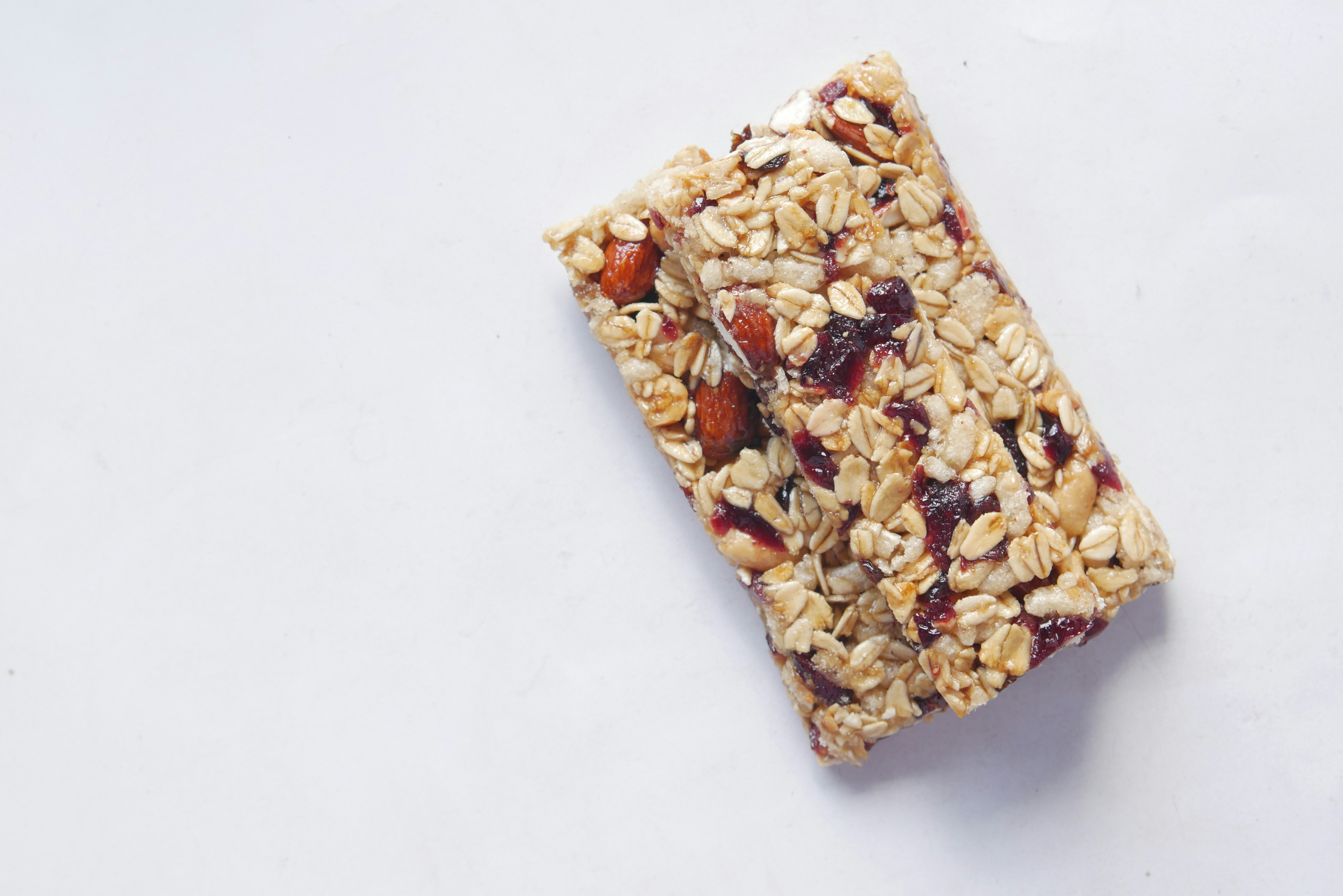
Mix-ins: This category includes various add-ins that elevate the flavor and texture of granola bars. Popular choices include nuts, seeds, dried fruits, and dark chocolate chips. Nuts such as almonds or walnuts impart essential fatty acids and protein, while seeds like chia and flax offer omega-3 fatty acids and additional fiber. Dried fruits bring natural sweetness and vitamins, whereas dark chocolate provides antioxidants that can boost the overall health profile of your bars.
By thoughtfully selecting and combining these essential ingredients, you can customize your homemade granola bars to suit your taste preferences and nutritional needs.
Essential Equipment and Tools Needed
When embarking on the journey of crafting homemade granola bars, having the right kitchen equipment and tools is crucial. The preparation process becomes significantly smoother and more enjoyable with the appropriate gear. First and foremost, a set of mixing bowls is essential; having multiple sizes allows for easier ingredient incorporation. Opting for glass or stainless steel bowls can be advantageous due to their durability and ease of cleaning.
Spoons and spatulas play a vital role in the mixing process. A sturdy wooden spoon or a silicone spatula can efficiently blend ingredients such as oats, nuts, and sweeteners, ensuring a uniform mixture. Measuring cups and spoons are also necessary for precise ingredient ratios, which directly impacts the final product’s consistency and taste.
Baking sheets are needed for the actual cooking process. It is advisable to use metal baking sheets for even heat distribution, which can help achieve that perfect texture. Additionally, lining the sheets with parchment paper is a beneficial step. Parchment prevents sticking, making it easier to remove the bars once baked, and simplifies cleanup. Some may additionally consider a silicone baking mat, which can also provide a non-stick surface without the need for parchment.
Moreover, a sharp knife or a pizza cutter is recommended for slicing the baked granola bars easily. A good cutting board is equally important to protect your countertops and ensure safe cutting. Lastly, an airtight container is recommended for storage, as it will help maintain freshness and prevent the bars from becoming stale. By utilizing the right tools, the process of making homemade granola bars can be efficient and enjoyable, resulting in delicious bars ideal for snacking or breakfast.
Step-by-Step Instructions to Make Granola Bars
Making homemade granola bars is a straightforward process that allows for customization and experimentation with your favorite ingredients. This guide provides a comprehensive step-by-step approach to prepare and bake these nutritious snacks.
Begin by gathering your ingredients, which typically include rolled oats, honey or maple syrup, nut butter, and a selection of mix-ins such as nuts, seeds, or dried fruits. Start by preheating your oven to 350°F (175°C) to ensure that the bars cook evenly.
Next, measure out two cups of rolled oats and place them in a large mixing bowl. Add a pinch of salt to enhance flavor. In a separate bowl, combine half a cup of nut butter—such as almond or peanut butter—along with half a cup of honey or maple syrup. Heat this mixture in a microwave for about 30 seconds to make it easier to combine.
Once heated, pour the nut butter and honey mixture over the oats. Stir until the oats are fully coated, ensuring all ingredients bind together. This step is crucial, as it creates a cohesive texture in the final product. You can also fold in half a cup of your desired mix-ins at this stage, which can include chopped nuts or chocolate chips, for added flavor.
Transfer the mixture to a parchment-lined baking pan, pressing it down firmly to achieve a compact layer. The pressure is essential, as it will help the bars hold their shape while baking. Bake in the preheated oven for approximately 20-25 minutes, or until the edges are lightly browned.
After removing the pan from the oven, allow the granola bars to cool completely, then cut them into your preferred sizes. This cooling period is important for achieving the right texture. Once cut, store the bars in an airtight container to maintain freshness.
Flavor Variations and Customizations
When it comes to homemade granola bars, the possibilities for flavor variations and customizations are virtually limitless. By incorporating a few specific ingredients, you can create delicious granola bars that suit your taste preferences or nutritional requirements. For instance, chocolate chip granola bars are a popular choice that blends the wholesome goodness of oats with the indulgence of chocolate. Simply add semi-sweet or dark chocolate chips to the basic granola mixture for a sweet twist that will definitely satisfy your cravings.
If you prefer a healthier option, consider fruit and nut granola bars. Dried fruits such as cranberries, apricots, or raisins can add natural sweetness and texture. Alongside these fruits, a mix of nuts like almonds, walnuts, or hazelnuts introduces a satisfying crunch while also boosting the nutritional profile. The balance between fruits and nuts can be tweaked according to personal preferences—feel free to experiment with different combinations.
For those looking for a nostalgic taste, cookie dough flavored granola bars can be an enticing option. Incorporate ingredients such as peanut butter, vanilla extract, and a hint of brown sugar to mimic the flavor of cookie dough. Chunks of your favorite candies or chocolate chunks can also be added to provide a delightful surprise in every bite.
Furthermore, readers are encouraged to get creative with their granola bar recipes. Swap rolled oats for a blend of quinoa and puffed rice for a distinctive base or introduce maple syrup and honey for different sweetness profiles. Incorporating spices such as cinnamon or nutmeg can add a warm flavor that enhances the overall taste of the granola bars.
Ultimately, homemade granola bars are easily adaptable. By choosing a base, playing with flavors, and mixing in various wholesome ingredients, anyone can create a personalized snack that caters to their unique tastes and dietary needs.
Storing and Keeping Your Granola Bars Fresh
Ensuring that homemade granola bars remain fresh and maintain their desired texture is essential for both taste and enjoyment. Proper storage techniques can prevent your granola bars from becoming stale or losing their appealing crunch. There are various methods to store granola bars for both short-term and long-term preservation.
For short-term storage, granola bars should be kept in an airtight container at room temperature. This allows them to remain easily accessible for snacking while protecting them from moisture. It is recommended to place parchment paper between layers of bars to prevent them from sticking to one another. Additionally, a cool, dry location away from direct sunlight will help preserve their freshness without impacting texture.
If you are looking to store your granola bars for a more extended period, consider using the freezer. This method effectively locks in freshness and preserves the flavor and texture of the granola bars. To freeze them, first ensure they are completely cooled. Wrap each bar tightly in plastic wrap, followed by aluminum foil or place them in a zip-top freezer bag. This dual-layer protection helps prevent freezer burn, which can alter the taste. When ready to consume, simply remove the bars from the freezer and allow them to thaw at room temperature for about 30 minutes.
Granola bars can last up to 3 months in the freezer and generally retain their quality. For added convenience, consider labeling each package with the date of freezing, ensuring that you consume the bars within the recommended time frame. By applying these storage techniques, homemade granola bars will remain delicious and nourishing for an extended period, making them a reliable snack option.
Nutritional Benefits of Homemade Granola Bars
Homemade granola bars stand out significantly in the realm of nutritious snacks when compared to their commercially available counterparts. One of the foremost advantages of crafting your own granola bars lies in the quality and source of the ingredients. By selecting whole grains such as oats, quinoa, or brown rice, individuals can enhance their intake of fiber and essential nutrients, which are crucial for digestive health and sustained energy levels.
Another pivotal benefit is the capability to regulate the amount of added sugars and fats. Many store-bought granola bars are laden with high fructose corn syrup or other sweeteners that contribute to excessive caloric intake without offering meaningful nutrition. In contrast, when making homemade versions, one has the flexibility to substitute processed sugars with natural sweeteners such as honey, maple syrup, or ripe bananas, thereby achieving a more wholesome product.
The customization potential of homemade granola bars extends beyond sugar control; it also allows individuals to incorporate a broad spectrum of nuts, seeds, and dried fruits. These ingredients not only provide essential fatty acids and proteins but also introduce vitamins and minerals that are vital for overall health. For instance, nuts like almonds or walnuts are rich in omega-3 fatty acids, while seeds such as chia or flaxseeds deliver impressive amounts of fiber and antioxidants.
Moreover, the absence of preservatives and artificial flavorings in homemade granola bars is an appealing element for health-conscious consumers. By utilizing fresh, organic ingredients, one can ensure the integrity of the nutritional profile, promoting long-term benefits for heart health and weight management.
Ultimately, the decision to prepare granola bars at home not only facilitates healthier choices but also empowers individuals to enjoy a nutritious snack tailored to their dietary needs.
Tips for Getting Your Partner Involved in Cooking
Engaging your partner in the cooking process can transform a mundane task into a delightful and collaborative activity. By involving both individuals, the experience of preparing homemade granola bars becomes more enjoyable and productive. Here are several tips to facilitate teamwork in the kitchen.
First, start by selecting a recipe together, such as homemade granola bars, to ensure both partners are invested in the cooking process. This collaborative decision-making can heighten excitement and anticipation, making the experience feel shared and inclusive. Present options that allow each person to contribute their preferences and ideas to create a personalized treat.
Second, designate specific roles for each partner within the cooking process. For instance, one person can measure and mix the dry ingredients while the other prepares the binding ingredients. Assignments not only streamline the cooking process but also enhance communication and teamwork. This method allows each individual to utilize their strengths and ensure that the granola bars are prepared efficiently.
Additionally, consider turning cooking into a playful activity. Put on some music, engage in friendly banter, or even create a mini cooking challenge. This light-hearted environment encourages involvement and reduces the stress often associated with meal preparation. Celebrating small victories during the cooking process, such as achieving the perfect texture for the granola mixture, can further enhance motivation and enjoyment.
Finally, take the time to reflect on the cooking experience together. Discuss not only the outcome but also the process—what worked well, what could be improved, and how each partner felt throughout. This reflection fosters a deeper connection through shared experiences and facilitates improvement in future cooking endeavors. Ultimately, the goal is to create a recipe for not only delicious granola bars but also for memorable moments in the kitchen as a couple.
Conclusion: Enjoying Your Homemade Granola Bars
Creating homemade granola bars offers more than just a nutritious snack; it is an enjoyable experience that allows for creativity in the kitchen. The simplicity of the recipe enables anyone, regardless of cooking skill, to create delicious treats tailored to personal tastes and dietary needs. By experimenting with various ingredients, such as different nuts, seeds, and dried fruits, you can customize each batch to fit your specific preferences. This not only enhances the flavor but also encourages healthier snacking habits.
The satisfaction derived from enjoying your homemade granola bars is immeasurable. As you take that first bite, you’ll appreciate the fresh ingredients and the wholesome goodness that store-bought alternatives may lack. Additionally, sharing your creations with family and friends can elevate the experience, fostering a sense of community through culinary exploration. Encourage loved ones to join in the process, fostering an environment where healthy eating is both fun and engaging.
Homemade granola bars not only serve as a quick breakfast or snack but also provide an opportunity to partake in the joy of cooking. Whether you opt for classic flavors or adventurous combinations, each homemade bar becomes a reflection of your unique taste. As you continue to make and enjoy your bars, consider documenting your recipes and transformations. Sharing these homemade granola bar creations can inspire others and contribute to a growing trend of cooking at home.
Overall, embracing homemade granola bars can lead to a healthier lifestyle and increased culinary confidence. So, gather your ingredients, enjoy the process, and relish in the fruits of your labor!