

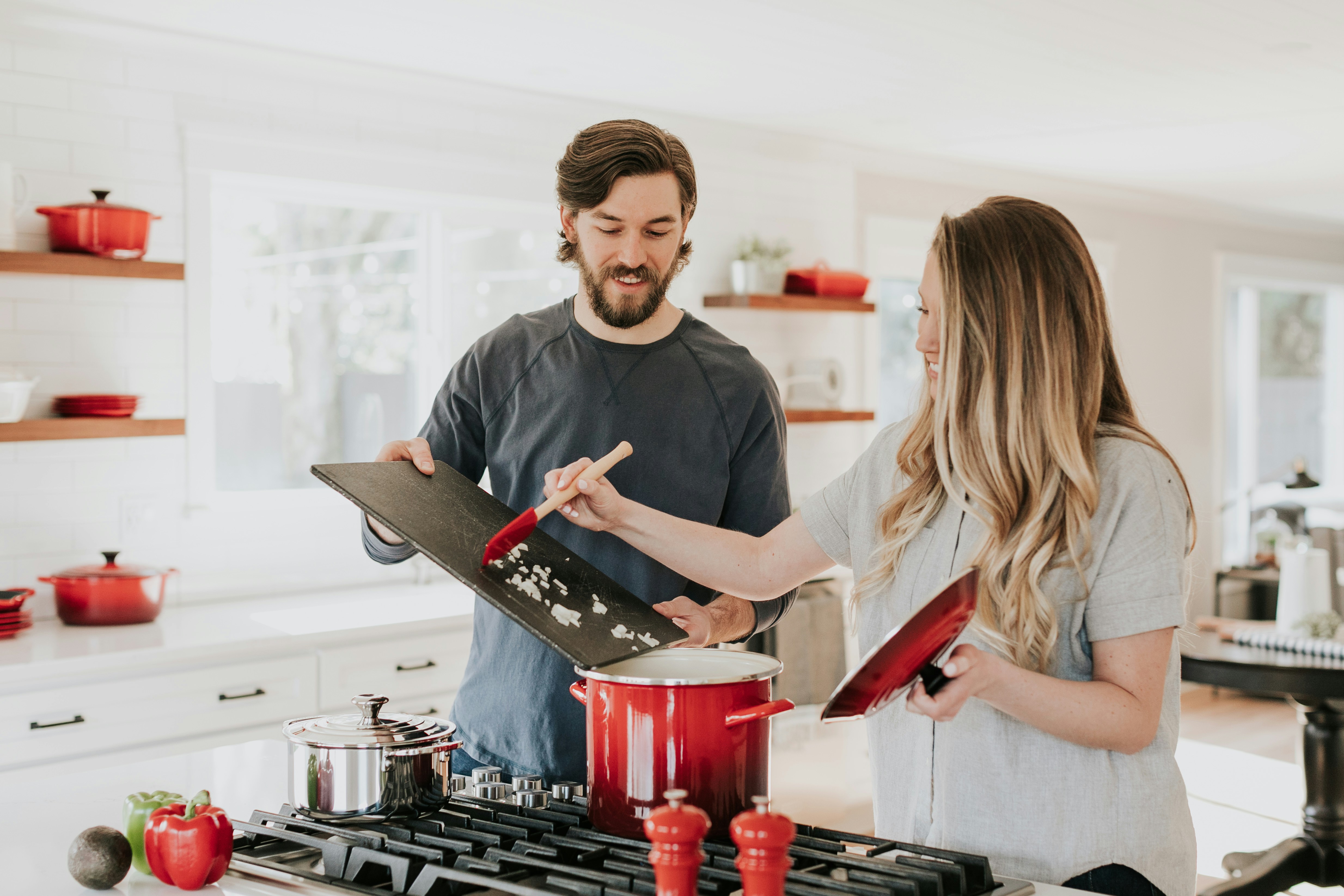
The Evolving Role of Husbands in the Kitchen- Husband Can Cook
Traditionally, the role of cooking and meal preparation within households has been predominantly associated with women. This longstanding division of labor has been influenced by cultural norms, societal expectations, and historical contexts. However, in recent years, there has been a significant shift in these dynamics, with more men embracing cooking as both a necessity and a passion. This change in attitude towards cooking is reflective of broader societal transformations regarding gender roles.</p>
As modern households evolve, the responsibilities of culinary duties are increasingly being shared. Husbands are not only adopting these tasks out of necessity due to dual-income households but are also exploring their passion for cooking and nutrition. The rise of food-related media, such as cooking shows, blogs, and social media platforms, has contributed to this evolution by inspiring men to take an active interest in the kitchen. With diverse recipes and innovative cooking techniques readily available, husbands are stepping up, experimenting with new cuisines, and enhancing their culinary skills.
This contemporary perspective promotes a more egalitarian view of household contributions, where men actively participate in meal preparation and planning. This challenging of traditional gender norms fosters a collaborative environment that enriches family life and promotes healthy eating habits. Additionally, these evolving dynamics often lead to enhanced bonding experiences among family members, as cooking together can be a source of enjoyment and cooperation.
Moreover, many men are discovering the therapeutic aspects of cooking, finding it to be a creative outlet that alleviates stress and encourages mindfulness. The kitchen is emerging as a space for personal expression, where husbands can take pride in their culinary accomplishments. The ongoing shift towards a more inclusive view of cooking not only reshapes family dynamics but also allows men to forge their identity as competent and enthusiastic home cooks.
Benefits of Husbands Cooking at Home
The practice of husbands participating in cooking at home offers numerous advantages that can positively influence family dynamics and overall well-being. One of the significant benefits is improved family bonding. When husbands take an active role in preparing meals, it fosters opportunities for collaboration and communication within the household. Cooking together allows family members to engage in meaningful conversations and strengthen relationships, creating a supportive and nurturing environment.
Additionally, sharing the workload in the kitchen can alleviate the burden often placed on one partner, typically the wife. By dividing cooking responsibilities, both partners can experience a sense of equality and partnership, which can enhance mutual respect and appreciation. This collaborative effort enables families to spend quality time together, further enhancing the emotional connection between family members.
Moreover, husbands who cook at home can contribute to healthier meal choices for their families. Cooking meals from scratch often allows for greater control over the ingredients used, promoting more nutritious options that align with dietary preferences and health goals. This involvement can lead to advantageous lifestyle changes, as meals prepared at home are frequently healthier than those obtained from processed foods or restaurants.
Involving husbands in the kitchen not only brings about practical benefits but also contributes to a more balanced and harmonious family life. Encouraging men to cook cultivates valuable life skills and encourages creative expression. As they discover their culinary abilities, wives may also find this evolution attractive, inspiring greater appreciation and admiration within the relationship.
Overcoming Stereotypes: Men and Cooking
For decades, cooking has often been viewed through a gendered lens, with the kitchen being seen largely as a female domain. Societal norms perpetuated the stereotype that men should focus on outdoor grilling or culinary tasks that are deemed manly, while women handled the more intricate aspects of cooking. However, contemporary views are rapidly shifting.
Recent studies indicate that an increasing number of men are taking an active role in household cooking. According to a report by the U.S. Bureau of Labor Statistics, in 2020, men spent an average of 62 minutes per day on food preparation and cleanup, a considerable increase compared to the past. This trend reflects a broader cultural shift where cooking is increasingly recognized as a skill that transcends gender boundaries.
Anecdotal evidence further supports the changing perception of men and cooking. Many men today take pride in their culinary abilities and actively seek out instructional cooking videos and classes. This rising interest is fueled in part by social media platforms where cooking challenges, and shared recipes have made culinary creativity more visible to a wider audience. The rise of television cooking shows featuring male chefs has also contributed to normalizing men in the kitchen, illustrating that culinary talent knows no gender.
Moreover, the benefits of cooking extend beyond the simple act of meal preparation; they include healthier eating choices, cost savings, and even fostering better relationships within families. When men engage in cooking, they not only debunk outdated stereotypes but also contribute to a more equitable sharing of domestic responsibilities. This not only enhances their skills but also enriches their family dynamics.
As these transformations continue, it becomes increasingly evident that cooking is not a female-only activity. It is an essential life skill that can be embraced and mastered by anyone, regardless of gender. By encouraging and normalizing male participation in cooking, society can further break down these stereotypes, leading to more inclusive and enriched culinary experiences for everyone.
Basic Cooking Skills Every Husband Should Master
Cooking is a valuable skill that transcends gender stereotypes, and every husband can benefit from mastering certain essential culinary skills. Whether one is a novice in the kitchen or seeking to improve existing skills, understanding the fundamentals of cooking can enhance meal preparation and foster a healthier lifestyle. Here are some basic cooking skills that every husband should consider learning.
Firstly, meal planning is crucial. Taking the time to plan meals not only saves time but also reduces food waste and encourages healthier eating habits. A well-planned week can incorporate a variety of meals, ensuring balanced nutrition while also accommodating dietary preferences or restrictions. Developing this skill allows for efficient grocery shopping, which can help in budgeting and reduce stress before meal preparation.
Additionally, mastering knife skills is essential for any aspiring cook. Learning how to properly chop, dice, and slice vegetables and proteins not only improves safety in the kitchen but also enhances the quality of dishes. Understanding the different types of knives and their specific uses can make food preparation more efficient. Practicing these skills can lead to greater confidence in the kitchen.
Safe food handling is another critical cooking skill, ensuring that meals are prepared in a hygienic manner. This involves understanding proper food storage, knowing safe temperatures for cooking meats, and recognizing contamination risks. Familiarizing oneself with these best practices can prevent foodborne illnesses, making cooking not only more enjoyable but also safer for everyone involved.
In conclusion, developing these basic cooking skills—meal planning, knife skills, and safe food handling—can empower husbands to take charge in the kitchen. Each skill contributes not only to the preparation of delicious meals but also fosters a greater appreciation for the culinary arts, creating healthier eating habits and nurturing family bonds through shared meals.
Quick and Easy Recipes for Beginners
For husbands who are embarking on their culinary journey, it is essential to start with simple and quick recipes that build confidence and skills. These beginner-friendly dishes not only save time but also offer a pathway to delicious meals. Below are a selection of recipes tailored for various meals throughout the day.
Breakfast: One of the easiest meals to prepare is scrambled eggs. Simply crack two to three eggs into a bowl, whisk them with a splash of milk, and season with salt and pepper. Heat a non-stick pan over medium heat, add a bit of butter, and pour in the egg mixture. Stir gently until the eggs are softly cooked, about 5 minutes. For a slight variation, add diced vegetables or cheese for added flavor.
Lunch: A classic grilled cheese sandwich is both simple and satisfying. Start by buttering two slices of bread on one side. Place one slice, butter-side-down, in a heated skillet. Add slices of your preferred cheese on top and cover with the second slice, butter-side-up. Cook for about 2-3 minutes on each side until golden brown and the cheese has melted. This technique not only sharpens grilling skills but also introduces the concept of sandwich-making.
Dinner: One-pot pasta is an excellent option for new cooks. Combine your favorite pasta, diced tomatoes, garlic, and a hint of olive oil in a pot. Add enough water to cover the pasta and bring it to a boil. Reduce heat and simmer until the pasta is al dente, usually 10-12 minutes. Finish with fresh herbs or grated cheese to elevate the dish.
Snacks: For a quick snack, try making a fruit smoothie. Blend together a banana, a cup of mixed berries, and a cup of yogurt until smooth. This not only serves as a healthy snack but also allows exploration of blending techniques.
Each of these recipes encourages husbands to gain confidence in the kitchen while mastering fundamental cooking techniques. By starting with these simple meals, they can gradually expand their culinary repertoire and enjoy the rewards of home-cooked food.
Exploring Culinary Creativity: Cooking as an Art
Cooking transcends mere sustenance; it embodies a form of artistic expression that allows individuals to explore their creative instincts. For husbands who are venturing into the kitchen, embracing cooking as an art can transform the often mundane task of meal preparation into a gratifying and imaginative activity. By experimenting with various flavors and techniques, individuals can develop a distinct culinary style that reflects their personality.
One of the most rewarding aspects of cooking is the opportunity to experiment with flavors. This can involve combining unexpected ingredients to create unique dishes or utilizing seasonings and herbs to enhance the taste of familiar meals. To foster this sense of culinary creativity, husbands can begin by selecting a base recipe and then modifying it to suit their preferences or to explore new ideas. Substituting ingredients, adjusting cooking methods, or infusing cultural influences can all lead to delightful discoveries in the kitchen.
Moreover, presentation plays a vital role in elevating the cooking experience. Just as a painter considers color and composition, a cook should pay attention to how food is arranged on the plate. Experimenting with different plating techniques can add a touch of elegance and artistry to even the simplest meals. Utilizing vibrant garnishes, choosing the right dishware, and balancing colors can transform a home-cooked meal into a breathtaking display that excites the senses.
Lastly, personal style is a hallmark of creative cooking. Each husband can find joy in developing signature dishes or incorporating family traditions into their meals. This personal touch not only fosters creativity but also strengthens bonds through shared culinary experiences. Ultimately, viewing cooking as an art enables husbands to embrace the kitchen with enthusiasm, turning it into a space of exploration, creativity, and joy.
Cooking Together: A Bonding Experience
Cooking together can significantly enhance relationships, providing a platform for couples and families to bond over shared tasks and experiences. Engaging in the kitchen not only allows individuals to showcase their culinary skills but also fosters a sense of teamwork and unity. As each person contributes, whether by chopping vegetables, stirring sauces, or setting the table, the collective effort transforms cooking into a collaborative activity that yields rewarding results.
One of the joys of cooking together is the opportunity for communication and connection. While preparing a meal, couples can discuss their day, share thoughts, and enjoy laughter over unexpected mishaps or culinary experiments. This shared experience often leads to deeper conversations, allowing partners to explore each other’s preferences and cooking backgrounds. Such interactions can strengthen the emotional bonds that form the foundation of any relationship.
There are numerous activities inspired by cooking that couples and families can engage in to create lasting memories. For instance, planning a themed dinner night encourages creativity; individuals can choose a cuisine from a different country or an era, allowing for exploration and learning. Moreover, planning a cooking competition inspired by popular shows can add excitement and a playful element to the experience, where each person or team prepares different dishes to be judged by the other members.
In addition, preparing meals for special occasions together can turn dining into a cherished ritual. Whether it’s a birthday, anniversary, or holiday celebration, cooking as a unit allows individuals to create unique dishes that reflect personal tastes and shared traditions. These culinary endeavors not only result in delicious meals but also serve to build cherished moments.
Resources for Learning to Cook
Cooking is a skill that can be cultivated by anyone, including husbands seeking to enhance their culinary abilities. There are numerous resources available today that cater to varying preferences and learning styles, enabling men to explore the kitchen with confidence.
One effective resource is cookbooks. Renowned chefs like Julia Child, Gordon Ramsay, and Thomas Keller have published comprehensive cookbooks that not only provide recipes but also explain essential cooking techniques. Whether one prefers simple meals or intricate dishes, there is a cookbook that fits every skill level and taste. For beginners, cookbooks specializing in quick and uncomplicated recipes are particularly beneficial.
Online tutorials are another valuable tool. Platforms such as YouTube and cooking websites offer a vast array of video tutorials that walk viewers through the cooking process step-by-step. This visual approach can be especially helpful for beginners who might find written instructions daunting. Following along with a video allows learners to grasp techniques more effectively, and they can pause or rewind as needed to ensure they understand each method thoroughly.
Taking cooking classes is also an ideal way for husbands to improve their skills. Many local culinary schools and community colleges offer classes for various levels. These classes provide hands-on instruction from experienced chefs, facilitating immediate feedback. Additionally, cooking classes can also be a fun and engaging way for couples to spend time together, working collaboratively in the kitchen.
Finally, food blogs serve as a modern connection to the culinary world. A plethora of food bloggers share their experiences, recipes, and cooking tips online. Many blogs focus on specific cuisines or dietary requirements, making it easy to find inspiration that aligns with personal preferences. Reading through blog posts can also introduce new ingredients and cooking styles, fostering creativity in the kitchen.
Conclusion: Embracing the Culinary Role
In today’s evolving societal landscape, the culinary role of husbands has become increasingly significant. Cooking is not merely a household chore; it is an act that fosters connection, promotes health, and enhances domestic life. When husbands take on the responsibility of preparing meals, they contribute to a more balanced home environment. This shift not only alleviates the burden traditionally placed on wives but also strengthens the partnership between spouses.
Engaging in cooking allows men to express their creativity and explore new flavors, ultimately enriching their culinary skills. It also serves as a profound way to connect with family members. Family meals prepared by husbands can become cherished moments of togetherness, where conversations flourish, and bonds deepen. The act of sharing food is a universal language of love and togetherness that transcends mere nourishment.
Moreover, cooking together can instill a sense of teamwork and collaboration within the household. It invites opportunities for couples to work side by side, fostering communication and mutual support. This collaborative cooking experience can further dissolve traditional gender roles, encouraging all family members to participate actively in the kitchen.
Additionally, by embracing cooking, husbands can play a pivotal role in promoting healthier eating habits. Preparing meals at home provides the ability to choose wholesome ingredients and create balanced cuisines that contribute to overall well-being. The awareness that comes from cooking can lead to more health-conscious choices, positively impacting the family’s lifestyle.
Ultimately, encouraging husbands to embrace their culinary skills is an investment in family connections and overall household enjoyment. As men step into the kitchen with confidence, they not only nurture their families but also embark on a rewarding journey that enhances everyday life. Therefore, it is essential for all readers to recognize the significance of this role and wholeheartedly embrace the joys and benefits of cooking.